
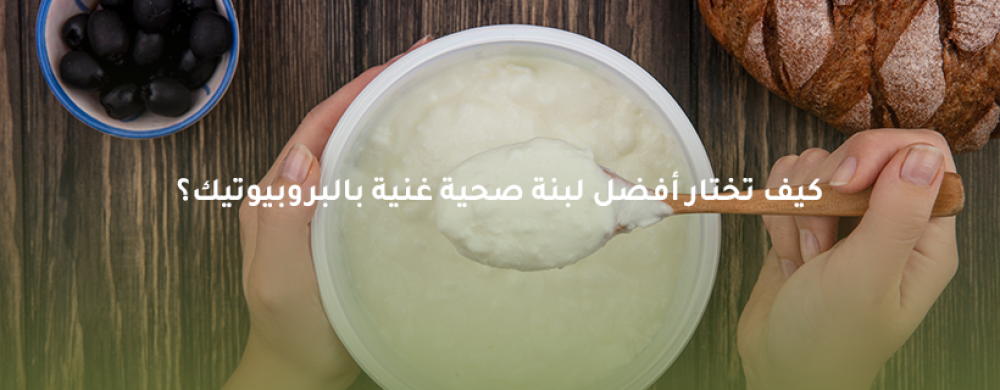
Labneh is a staple dairy product on the Arab table, especially for breakfast and dinner, thanks to its creamy texture, mild sour taste, and ease of eating with bread, vegetables, thyme, and olive oil.
But choosing the best healthy labneh is not based solely on taste. There are differences between products in terms of protein, fat, sodium, calorie content, and the type of milk used, in addition to the presence of bacterial starter cultures or live cultures.
When looking for probiotic-rich yogurt, it's important to note that not every fermented product necessarily contains an effective amount of beneficial bacteria, so it's important to read the ingredients and look for the presence of live cultures or specific strains.
What is a brick?
Labneh is a fermented dairy product made from yogurt after removing some of the water and whey, giving it a thicker consistency than regular yogurt.
It can be made from cow's, sheep's or goat's milk, and its nutritional value varies depending on the type of milk, fat content, amount of salt, and method of manufacture.
This product is characterized by its creamy texture and sour taste, so it is used in many meals such as breakfast, sandwiches, salads, and sauces.
When choosing the best healthy labneh, it is preferable to focus on products that have clear ingredients, with milk or yogurt as the main ingredient, while avoiding products that contain large amounts of additives or starches.
Labneh comes in different varieties, including full-fat, low-fat, and fat-free, and its protein, calorie, and fat content also varies. Therefore, relying solely on product descriptions like "natural" or "light" is insufficient; nutritional information should be consulted.
Does labneh contain probiotics?
Although labneh is made from a fermented product, the presence of fermentation does not always guarantee the presence of an effective probiotic. The benefit depends on the type of bacteria used, their quantity, and their ability to survive until consumption.
Therefore, when choosing the best healthy probiotic-rich brick , look for a phrase such as "live and active cultures" or the names of the bacterial strains used.
It should also be noted that some manufacturing or heat treatment processes may affect the survival of beneficial bacteria.
Nutritional value of labneh
Labneh provides protein, calcium, and some of the nutrients found in milk, but the amount varies depending on the type of product.
Full-fat varieties may contain higher calories and fat, while low-fat varieties offer fewer calories with varying protein and sodium content.
Therefore, the best choice depends on the individual's needs, whether the goal is to reduce calories, increase protein, or control the amount of fat and salt.
When buying labneh, it is preferable to choose a product:
- It contains milk as a primary ingredient.
- Low in added sugar.
- It contains a suitable amount of protein.
- Moderate in sodium.
- It provides clear nutritional information.
It is also important to distinguish between probiotics and lactose, as the presence of beneficial bacteria does not mean that the product is lactose-free or suitable for all people with dairy allergies.
The most common ways to use labneh
Labneh is primarily used in breakfast meals, where it is served with vegetables, thyme, and olive oil. A balanced meal can be prepared using the best quality, healthy labneh with cucumber, tomatoes, peppers, and whole-grain bread.
It can also be used in preparing sandwiches instead of high-fat sauces, by adding it with vegetables and herbs to get a filling meal.
Homemade sauces can also be prepared using labneh with lemon, garlic and herbs, which helps control the ingredients compared to ready-made sauces.
Some common uses include:
- Prepare dips with cucumber or mint.
- Add it to grilled vegetables.
- Use it in marinating chicken and meat.
- Prepare light, sweet recipes with fruit and cinnamon.
As for labneh balls preserved in oil, they usually contain more calories and fats because of the oil, so it is preferable to eat them in moderate quantities.
Where can I get the best types of labneh?
Labneh can be purchased from supermarkets, online stores, or organic product stores, but the quality of the product does not depend solely on where it is sold.
To obtain the best healthy brick, you must ensure:
- Production and expiry dates.
- Packaging safety.
- Keep the product at the appropriate refrigerated temperature.
- Clear information regarding ingredients and nutritional values.
When comparing products, do not rely solely on price or brand reputation; the less expensive product may be more suitable in terms of nutritional composition.
If the goal is to obtain a product rich in probiotics, it is best to read the packaging and make sure that live cultures are present, rather than relying solely on the word "fermented".
Labneh can also be prepared at home using plain yogurt, but this does not guarantee the presence of specific probiotic strains, so yogurt containing live cultures should be chosen if that is the goal.
What is the best labneh in Saudi Arabia?
There is no single type that can be considered best for everyone, as the choice depends on each person's nutritional goal.
Some may prefer a low-calorie type, while others look for protein, rich texture, or low sodium.
Almarai Light Labneh is an option suitable for those looking for fewer calories, as it provides an appropriate amount of protein compared to calories.
Full-fat labneh may be suitable for those who prefer a richer texture and creamier taste, but it contains higher fat and calories.
Nadec also offers different types of full-fat labneh, each differing in fat content and ingredients depending on the product type.
Therefore, no single product can be identified as the best healthy probiotic-rich building block unless the packaging specifies the type and quantity of live strains.
When choosing in Saudi Arabia, follow these criteria:
- Compare the protein and calories in the same serving.
- Monitor your sodium intake.
- Choose a product with clear ingredients.
- Check for live farms.
- Check the expiry date and storage instructions.
Is labneh allowed on a diet?
Yes, labneh can be eaten as part of a diet, as the success of weight loss depends on the total calories, food quality, and portion size.
Labneh can be included in breakfast or snack meals, provided that the appropriate type is chosen and the quantity is controlled.
Types that contain higher protein help increase the feeling of satiety, so it is preferable to compare the amount of protein to calories when choosing the best healthy labneh for dieting.
A suitable diet meal can be prepared using:
- A calculated quantity of labneh.
- Fresh vegetables.
- Whole grain bread.
- A limited quantity of olive oil.
- Herbs or thyme without excessive salt.
It is preferable to choose plain labneh instead of sweetened varieties, because additions such as honey or sugar increase calories.
It should also be noted that the low-fat type is not always the best choice, as it may be higher in sodium or lower in protein compared to some other types.
Ultimately, labneh is a suitable dietary option when consumed in moderation and when choosing a product that meets your needs. The best healthy labneh is one that offers clear ingredients and nutritional values appropriate for your goal, whether it's weight management or obtaining a good source of protein.