
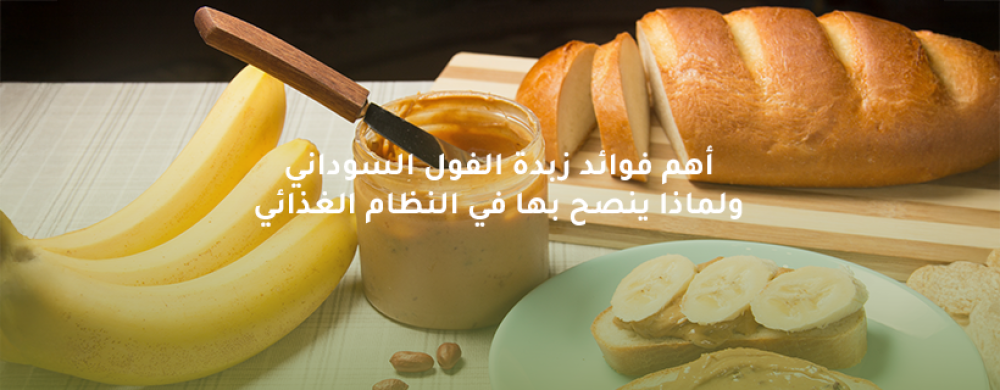
Peanut butter is a nutritious food that has become an important part of healthy diets, especially for those seeking a natural source of energy, protein, and healthy fats. With increased awareness of healthy eating, many are now exploring the benefits of peanut butter and its role in supporting the body throughout the day, whether at breakfast, before exercise, or as a satisfying snack between meals.
Peanut butter is distinguished by its delicious taste and high nutritional value. It contains plant-based protein, unsaturated fats, fiber, and several important vitamins and minerals. These benefits are most pronounced when consumed in moderation as part of a balanced diet, choosing natural varieties that are free of added sugar and hydrogenated oils whenever possible.
What is peanut butter?
Peanut butter is a food paste typically made from roasted and ground peanuts, resulting in a creamy or chunky consistency, depending on the manufacturing method. Some commercial varieties may contain sugar, salt, or vegetable oils, while natural varieties are simpler in ingredients, often consisting only of peanuts or peanuts with a small amount of salt. The real deal is when it's as close to its natural form as possible, without many added ingredients.
Peanut butter is a good source of energy; two tablespoons can provide a significant amount of protein, healthy fats, and calories. Therefore, it's best to consume it in moderation rather than overindulging. Nutritional data shows that a typical serving of peanut butter, approximately two tablespoons, is energy-rich and contains varying proportions of protein, fat, and carbohydrates. This highlights the importance of adhering to appropriate portion sizes within a balanced diet.
Peanut butter isn't just a sweet addition to food; it can be used in many healthy recipes, such as oatmeal, smoothies, toast, and snacks for children and athletes. Its benefits are enhanced when combined with fiber-rich foods like fruits and whole grains, as this creates a more balanced meal and provides sustained energy.
Benefits of peanut butter:
Peanut butter offers a variety of health benefits because it contains essential nutrients the body needs daily. It's a source of plant-based protein, making it suitable for those looking to increase their protein intake without relying solely on animal sources. Protein helps build muscle, repair tissue, and promote satiety, so peanut butter can be a good choice for breakfast or post-workout meals.
It also contains unsaturated fats, which are preferable to saturated and trans fats. The American Heart Association explains that monounsaturated and polyunsaturated fats may help lower LDL cholesterol levels when used in place of saturated fats, thus supporting heart health as part of a healthy diet. Therefore, it's advisable to pay attention to the quality of the peanut butter you choose to reap its benefits without added sugars or unwanted oils.
Peanut butter also contributes to feelings of fullness because it combines fats, protein, and fiber. This makes it a suitable snack to prevent sudden hunger pangs, especially when eaten with apple or banana slices, or a slice of whole-grain bread. Its ability to make a small meal more satisfying may help some people reduce their consumption of sweets or junk food.
Peanut butter contains elements like magnesium, potassium, and B vitamins, which play a role in energy, muscle function, and the nervous system. However, it should be consumed in moderation, as excessive consumption can lead to an increase in daily calorie intake. Therefore, moderation is key: one or two tablespoons a day may be a beneficial addition, but consuming large quantities without moderation may not be suitable for weight or health goals.
Benefits of peanut butter for women:
Many women seek filling, easy-to-prepare foods that support their daily activities, and peanut butter offers a clear advantage. It provides the body with a good energy boost, helping to combat fatigue, especially on busy days filled with work, studies, or household responsibilities. Its healthy fat and protein content also makes it a suitable snack between meals, a welcome alternative to relying on sugary treats that quickly lead to hunger.
For women, peanut butter may help promote a feeling of fullness, which is important for those on a weight-control diet. When eaten with oatmeal or fruit, it creates a more balanced meal and reduces cravings for sugary foods. However, portion control is important, as peanut butter is high in calories, and eating it straight from the jar can lead to consuming more than you need.
Peanut butter may also be beneficial for women concerned about hair and skin health due to its content of healthy fats, antioxidants, and other nutrients. While peanut butter isn't a direct cure for skin or hair problems, it can be part of a balanced diet that provides the body with the necessary elements for maintaining a healthy and vibrant appearance.
Women at different stages of life need rich, nutritious meals, especially when they exercise or lead an active lifestyle. Peanut butter can be added to oatmeal, yogurt, or smoothies for an easy snack. It's even better when it's free of added sugar, as excess sugar can reduce the nutritional value and hinder the health benefits of consuming it.
Benefits of peanut butter for men:
It's especially beneficial for men who need high energy levels throughout the day or who exercise. It's a concentrated source of energy and contains plant-based protein that helps support muscle growth as part of a balanced diet. Therefore, many athletes use it in their pre- or post-workout meals, especially when combined with bananas, oatmeal, or milk.
One of the most notable benefits of peanut butter for men is that it helps increase calorie intake in a relatively healthy way for those who want to gain weight or build muscle mass, provided the increase is measured. Instead of relying on fried foods or sugars, peanut butter can be used as a source of healthy fats and protein. However, it's important to remember that healthy weight gain requires a comprehensive dietary plan, not relying on a single food.
The unsaturated fats in peanut butter may also support heart health when used as a substitute for lower-quality fats. Health sources indicate that nuts and their butters can be part of a heart-healthy diet when consumed in appropriate amounts. Therefore, men are advised to choose natural varieties and avoid sweetened or hydrogenated oil-based options.
Men who work long hours or need practical meals can pack a peanut butter sandwich on whole-grain bread. This meal is quick, easy, and filling. This highlights the benefits of peanut butter as a practical choice for daily routines, especially when compared to other snacks that are low in nutritional value.
Benefits of peanut butter for children:
Peanut butter is a favorite food for many children due to its creamy texture and ease of use in sandwiches and healthy desserts. One of the benefits of peanut butter for children is that it provides a good source of energy to help them during the school day or physical activity. It also contains protein and healthy fats that the body needs for growth. However, it should be given in appropriate quantities according to the child's age and needs.
It's important to be aware of peanut allergies, as they are a common food allergy in some children. Therefore, parents should be cautious, especially when introducing peanut butter for the first time, and consult a doctor if their child has a history of allergies or is experiencing unusual symptoms. Ultimately, the priority should be the child's safety, followed by choosing a suitable type that is low in sugar and unnecessary additives.
Peanut butter can be served to children with banana or apple slices, or whole-grain bread, instead of processed sweets. This way, the child gets a satisfying and delicious snack. The benefits of peanut butter are most apparent when it's part of a balanced meal that includes fruit or whole grains, not when it's used with large amounts of chocolate or sugar.
Peanut butter may also help children with poor appetites, as it is rich in energy in a small amount. However, it is not recommended to consume it in excess or use it as a permanent replacement for main meals. The best way for children to consume peanut butter is to include it in moderation as part of a varied diet that includes vegetables, fruits, proteins, and grains.
Benefits of peanut butter for pregnant women:
During pregnancy, women need nutrient-rich foods and filling meals without relying on low-calorie options. Peanut butter is beneficial for pregnant women as it provides protein, healthy fats, and energy—all essential components of a daily diet. It can also be enjoyed with whole-wheat bread or fruit for an easy snack, especially when pregnant women crave quick and satisfying meals.
However, pregnant women should be cautious about peanuts; they are not suitable for everyone. If a pregnant woman has a peanut allergy or specific dietary instructions from her doctor, she should avoid them or consult a specialist. It's also advisable to choose a natural variety whenever possible, as some types contain added sugar, hydrogenated oils, or high levels of sodium.
Peanut butter may help reduce sudden hunger pangs during pregnancy, especially when eaten with fiber-rich foods. Its palatable taste also makes it a convenient addition to simple meals like toast or oatmeal. Its benefits are enhanced when incorporated into a varied diet that includes vegetables, fruits, healthy proteins, and good sources of iron and calcium.
Peanut butter should not be considered a dietary supplement or a substitute for a balanced pregnancy diet. It is only a beneficial addition when consumed in appropriate amounts. Therefore, the benefits of peanut butter for pregnant women depend on moderation, choosing a clean product, and its compatibility with the mother's health condition and the recommendations of her prenatal doctor.
Benefits of eating peanut butter on an empty stomach:
Some people wonder about peanut butter On an empty stomach, does eating peanut butter in the morning before any other food give the body more energy? Actually, peanut butter can be a good choice to start the day because it contains fats and protein that help with satiety. When eaten with a slice of whole-grain bread or oatmeal, it may provide the body with sustained energy and reduce feelings of hunger after breakfast.
Eating it on an empty stomach might be suitable for people who don't prefer a large breakfast, as a small portion provides a satisfying taste and good nutritional value. However, consuming it alone in large quantities might be heavy on the stomach for some people, so it's best to combine it with a healthy carbohydrate source or fruit.
Peanut butter can also be eaten in the morning with a banana, a popular snack for those needing energy before work or exercise. It's beneficial because it slows digestion compared to sugars alone, leading to a longer feeling of fullness. However, individual responses vary, so the timing and quantity should be chosen based on personal comfort.
There's no rule that says eating peanut butter on an empty stomach is always better than eating it at another time. What matters most is the overall quality of your diet. Therefore, you can enjoy the benefits of peanut butter in the morning or evening, provided it's within your daily calorie needs and as free as possible from additives that reduce its nutritional value.
Benefits of peanut butter for intelligence:
When discussing intelligence, it's important to clarify that no single food creates intelligence or directly enhances mental abilities. However, good nutrition in general helps the brain function efficiently, and peanut butter can be part of a diet that supports focus and energy, as it contains healthy fats, protein, and some vitamins and minerals.
Brain cells need a steady supply of energy throughout the day, and a snack containing peanut butter with oatmeal or whole-wheat bread can help reduce sudden hunger pangs that can affect concentration. This makes it a great option for students or office workers who need a snack that keeps them feeling full for longer without relying on fast-acting sugars.
The unsaturated fats found in nuts and nut butters are part of a healthy diet and may be linked to improved cardiovascular health, which in turn benefits overall health. Intelligence, however, remains linked to a balanced diet that includes omega-3 fatty acids, vegetables, fruits, a variety of protein sources, adequate sleep, and physical activity.
Therefore, peanut butter can be served as part of a healthy breakfast for children or students, such as a small sandwich with sliced banana or apple. In this way, the benefits of peanut butter are linked to improving the overall quality of the meal, rather than being a cure-all or a magical memory booster. Moderation and variety are key to any diet that supports focus and mental capacity.
Benefits of peanut butter for skin and hair:
Skin and hair benefit from the nutrients they contain, such as healthy fats, protein, and antioxidants. Skin and hair need good internal nourishment, not just external care. When the body receives sufficient beneficial fats and protein, this can be reflected in radiant skin and strong hair as part of a healthy lifestyle.
It contains fats that help the body absorb certain fat-soluble vitamins, and protein is an essential building block of tissues. However, it shouldn't be overestimated as a treatment for hair loss or skin problems, as these issues can have many underlying causes, such as iron deficiency, hormonal imbalances, stress, or lack of sleep.
Peanut butter can be incorporated into meals that support beauty from within, such as adding it to oatmeal with fruit, or enjoying it with yogurt and nuts. Its benefits for skin and hair are enhanced when it's part of a diet rich in vegetables, fruits, water, and good proteins, not when consumed alone or in large quantities.
It's also important to choose natural peanut butter, as sweetened varieties or those with added oils may not be the best choice for those concerned about skin health. The simpler the ingredients, the better the choice. Therefore, the benefits of peanut butter for skin and hair depend on product quality, appropriate portion size, and variety in daily diets.
How to incorporate peanut butter into your diet?
To reap the benefits of peanut butter in your diet, it should be consumed in a smart and balanced way. One or two tablespoons daily can be consumed depending on your calorie needs, taking into account your nutritional goals, whether it's maintaining or gaining weight, or supporting physical activity. Health sources recommend paying attention to portion sizes when consuming nuts and peanut butters, as they are high in calories despite their nutritional value.
Peanut butter can be added to a breakfast of oatmeal and bananas, used as a spread on whole-wheat toast, or blended into a smoothie with milk and dates. In these ways, it becomes part of a balanced meal containing healthy carbohydrates, fiber, and protein, instead of being eaten with sugary foods.
They can also be used in athletes' meals, such as a smoothie containing peanut butter, banana, and milk, or a simple sandwich before exercise. They provide energy and satiety, but the quantity should not be large immediately before exercise to avoid causing a heavy feeling in the stomach.
Another good way to use them is as a substitute for some heavy sauces or desserts. They can be mixed with yogurt, added to healthy oatmeal balls, or eaten with apple slices. For best results Benefits include reading the food label and choosing a product that contains peanuts as a primary ingredient, with as little added sugar and oil as possible.
Benefits of peanut butter with honey:
Some people combine peanut butter and honey for a sweet and satisfying treat, and this combination offers the benefits of a quick energy boost, especially before a workout or at the start of a long day. Peanut butter provides healthy fats and protein, while honey adds sweetness and quick carbohydrates, making this mixture ideal for those needing an extra energy boost.
However, it's important to note that honey, although natural, is still a source of sugars, so it's best not to overindulge, especially for those following a weight or blood sugar control plan. It's best to use honey in small amounts, such as a tablespoon of peanut butter with half a tablespoon of honey, rather than using large quantities that can quickly increase calorie intake.
This mixture can be eaten with whole-wheat toast, added to oatmeal, or used in energy balls with oats and chia seeds. In this way, it becomes part of a balanced meal, rather than just a high-calorie dessert, when combined with honey. Adding banana slices or cinnamon can also enhance the flavor and increase its nutritional value.
In conclusion, peanut butter can be a beneficial food when carefully selected and consumed in moderation. Its benefits include promoting satiety, providing energy, supplying the body with plant-based protein and healthy fats, and helping to improve the quality of daily meals. However, it's always best to maintain a varied and balanced diet and avoid overindulging in any food, regardless of its nutritional value. If you have an allergy or specific health condition, you should consult your doctor or a registered dietitian before regularly incorporating peanut butter into your diet.
In conclusion, peanut butter is a nutritious food that deserves to be part of your daily diet when consumed in moderation and in the right way. It combines a delicious taste with high nutritional value, providing the body with energy, protein, and healthy fats that promote satiety and support daily activity. The benefits of peanut butter aren't limited to one group; they extend to women, men, children, and athletes, provided you choose a natural variety free of harmful additives whenever possible. Therefore, if you're looking for a practical and nutritious food that can be easily incorporated into your meals, peanut butter is a suitable choice that supports a healthy and balanced lifestyle.